

Key Takeaways
- Occasional forgetfulness is common, but repeated patterns may signal something more.
- Behavioral and emotional shifts can be early warning signs, not just memory lapses.
- Memory screenings are simple, non-invasive, and a helpful first step toward clarity.
- Memory care communities offer personalized support in warm, familiar environments.
Forgetfulness or Something More
It happens to everyone. You walk into a room and forget why you came in. A name slips your mind when you need it. These moments can feel unsettling and it’s natural to wonder whether these changes are part of aging or a sign of something more serious. Understanding the difference can help you know when it may be time to seek support.
Not all forgetfulness is a sign of dementia. But patterns that repeat or become more noticeable over time are worth paying attention to and discussing with a medical professional. Understanding the difference can provide reassurance and help you explore memory care options if needed.
Normal Memory Lapses vs. Dementia
Forgetting a neighbor’s name once is different from often forgetting the names of close family members. Briefly losing track of the day is different from getting lost in a familiar area. Normal aging can include some changes in memory and thinking, but these are usually occasional and don’t greatly affect daily life. Paying attention to how often these changes happen and whether they affect everyday activities can help provide a clearer picture.
Dementia often involves ongoing changes in memory, thinking, or behavior. These changes may become more frequent over time and begin to affect daily routines. Noticing these patterns doesn’t mean assuming a diagnosis. It simply means paying attention to changes and discussing concerns with a healthcare professional when needed.
Taking a Closer Look
Changes in Daily Life
Early changes can sometimes show up in everyday tasks. A loved one may miss appointments they usually remember, have trouble following a familiar recipe, or need reminders for routines that were once easy to manage. These changes may seem minor at first, but noticing how they develop over time can help you understand what’s changing.
Changes in conversation can also be noticeable. Someone may lose track of what was just said, have trouble following a discussion, or ask for things to be repeated more often than before. Paying attention to these changes can be helpful, especially when they are new or begin to affect daily life. A healthcare professional can help assess what may be causing them.
Behavioral & Emotional Shifts
Memory concerns don’t always look like forgetting. Sometimes they show up as a shift in personality or mood. A person who was once social and outgoing may start pulling away from friends, skipping activities they used to enjoy, or avoiding gatherings altogether. This kind of withdrawal can be easy to brush off as tiredness or a bad week, but when it persists, it deserves attention.
Mood changes that feel out of character, like sudden frustration, increased anxiety, or unusual suspicion, can also be connected to cognitive changes. These emotional shifts are often hard for families to navigate, and they’re a good reason to seek support sooner rather than later. Understanding dementia and its signs can help families feel better prepared.
What a Memory Screening Involves
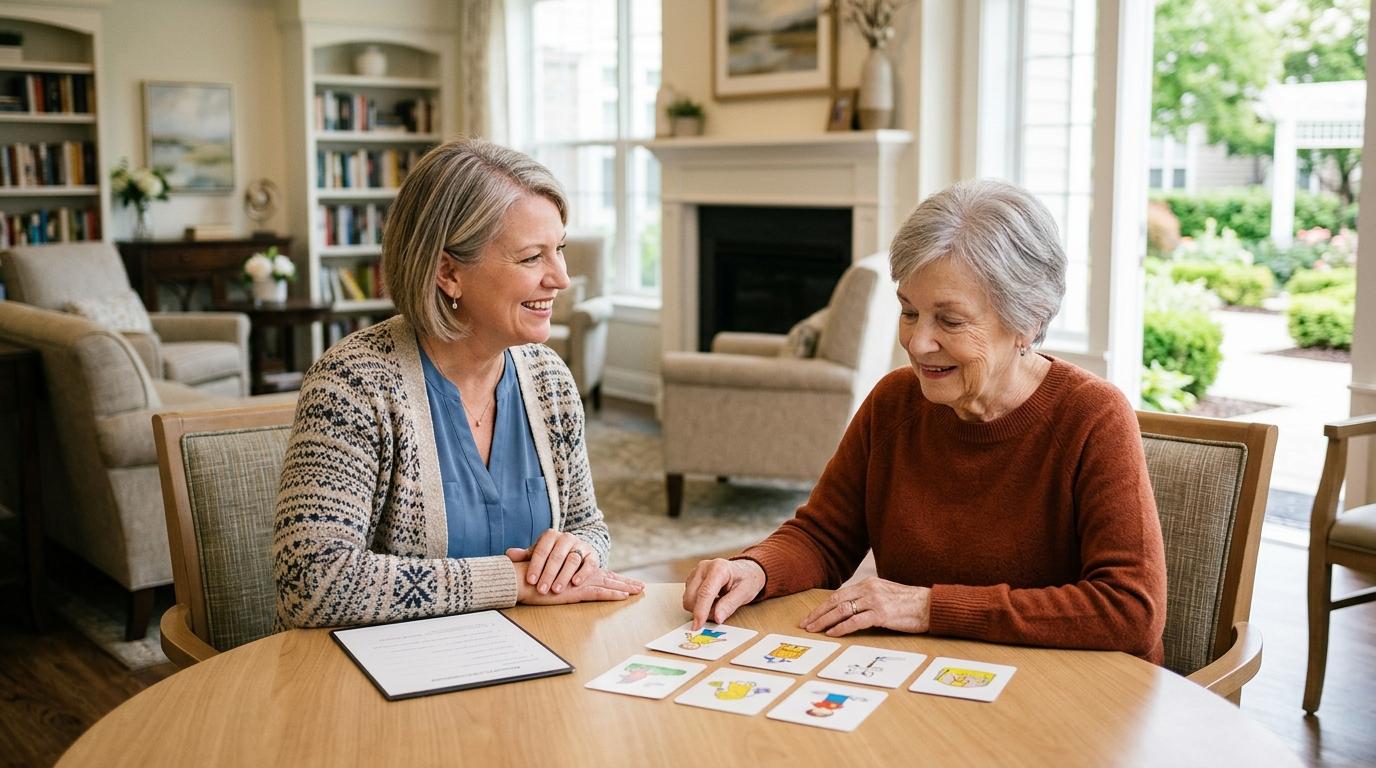
A lot of families put off memory screenings because they picture something overwhelming or clinical. In reality, most screenings are simple conversations and short tasks, like recalling a short list of words, identifying objects, or answering questions about the current date and place. There’s no hospital visit required, and the whole process is usually calm and straightforward.
The goal of a screening is to get a clearer picture of what’s happening so your family can make informed decisions. Results from a screening can help guide next steps and open conversations about care options that fit your loved one’s specific situation. Exploring how to choose the right level of care is a natural and helpful next step once you have a clearer picture.
The Benefits of Memory Care Support
Personalized Care in a Warm Environment
Memory care communities provide support based on each resident’s needs, preferences, and routines. Keeping familiar routines can make daily life feel more predictable and less confusing.
Activities and daily schedules can also provide structure and consistency. Looking at a memory care activity calendar can give you a better sense of what a typical day may include.
Family Support Along the Way
Families don’t have to navigate care on their own. Caregivers can keep families informed, share updates, and work with them as care needs change.
Emotional and spiritual well-being can also be part of care for both residents and families. Family resource pages can offer information and guidance along the way.
Support for What Comes Next
If something has felt different with your loved one lately, early screening can help you better understand what’s happening and what types of support may be available. Memory care can provide guidance and support as care needs change, while helping families stay informed along the way.
At Carver Ridge Senior Living, your loved one can receive support with daily needs in a comfortable, familiar setting. The team can also help families learn more about available care options and what to expect as needs change. Schedule a visit today.